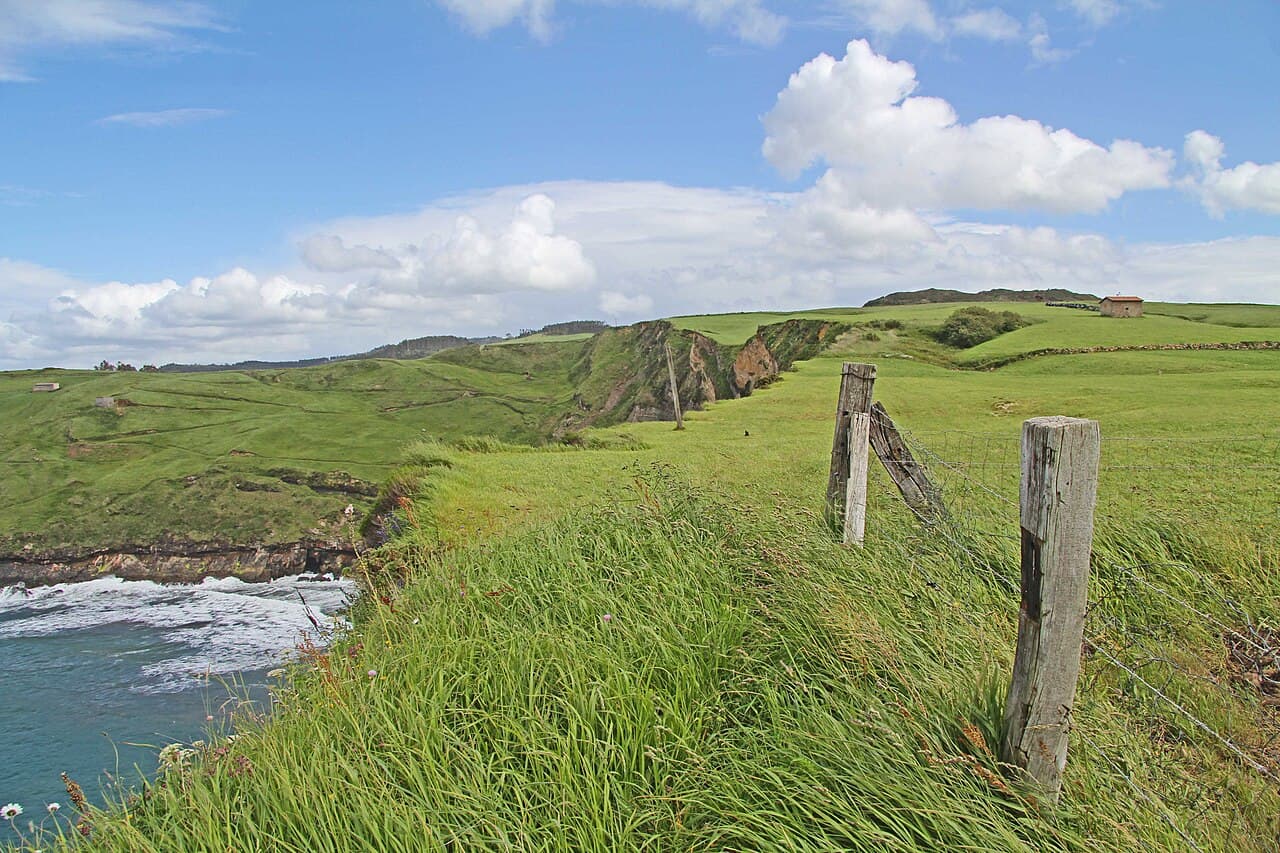
Slow coast, September 2026
Cantabria 2026
Eight days on the Cantabrian coast from a single base, with one anchor each day and the afternoons left open.
Day by day
Open the plan when you need the detail.
Start with the short version. Open a day when you want the fuller story, the timings, the moving parts, and the useful practical bits.
Day 1FridayLanding at Bilbao and the drive west
A flight, a rental car, and under two hours of motorway before the week actually starts.
arrivaldrivesettle inOpen day2 blocks+
Landing at Bilbao and the drive west
A flight, a rental car, and under two hours of motorway before the week actually starts.
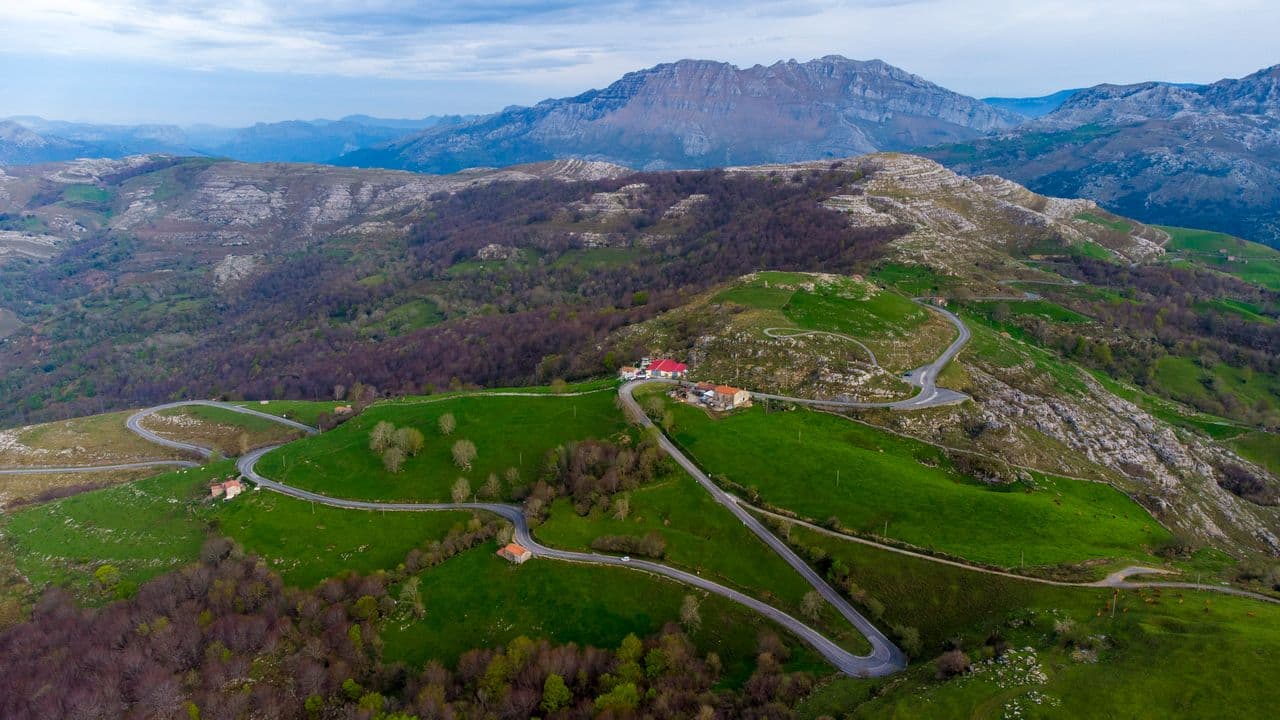
Getting there
- Collect the rental car at Bilbao airport.
- West on the A-8, straight through.
Landing
- Arrive late afternoon, unpack, and stop.
- First dinner in the old town, low effort by design.
Planning notes
- Check-in is autonomous, so arrival time is flexible and nobody needs to be met.
Day 2SaturdaySantillana and Altamira
The old town before the coaches, the painted ceiling at Altamira, and an afternoon with nothing in it.
old towncave artgentleOpen day3 blocks+
Santillana and Altamira
The old town before the coaches, the painted ceiling at Altamira, and an afternoon with nothing in it.
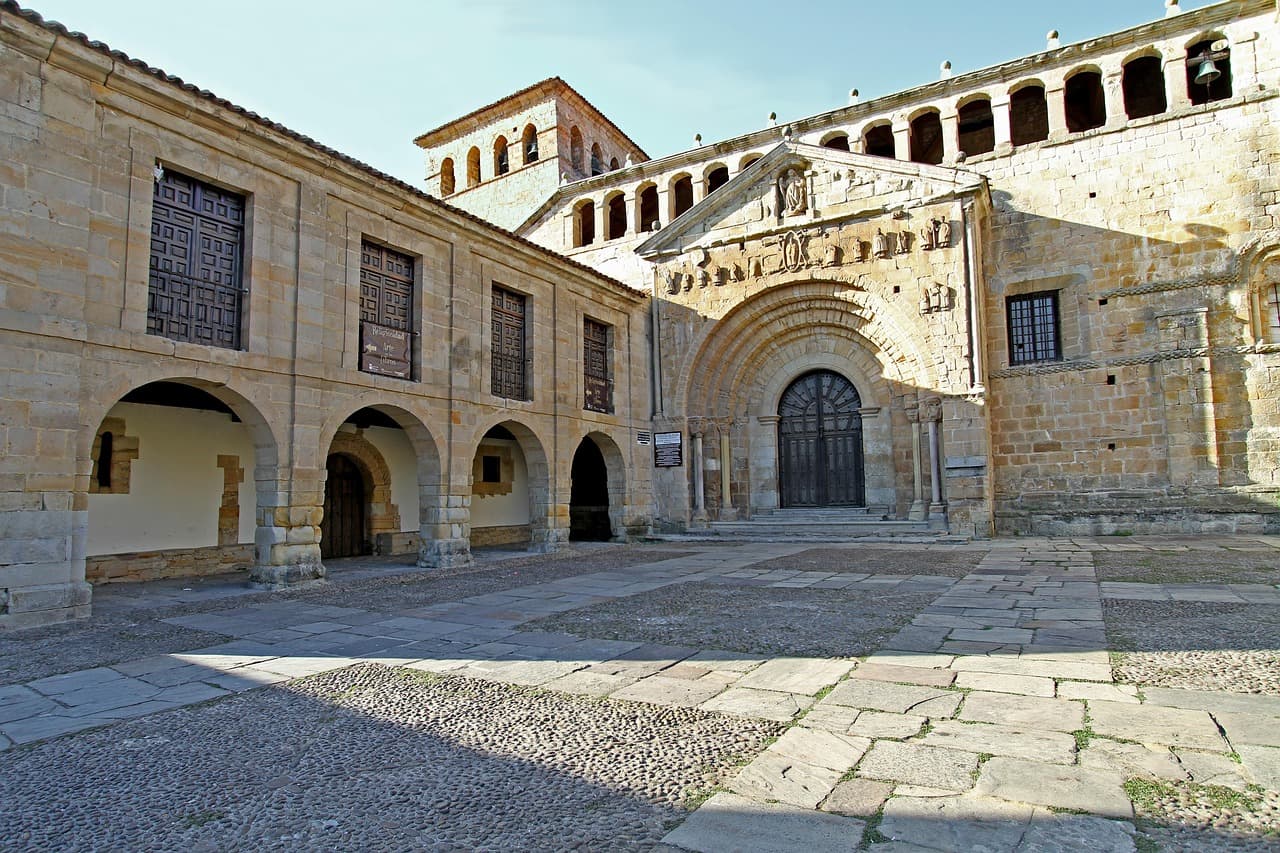
The first morning
Open any place below for the fuller background behind the route.
Fixed points
- - Booked ahead; the only thing the day is committed to.
Early
- Walk the old town while it is still quiet.
- Coffee somewhere on the way back.
The anchor
- , a few minutes out of town.Fixed
The rest of the day
- Lunch, then deliberately nothing.
- An easy first proper dinner.
Planning notes
- slots are limited and sell out well in advance, so this is the one booking that shapes the morning.
Optional ideas
- The Colegiata de Santa Juliana, if the Romanesque church is worth more than the walk past it.
- Nothing at all after lunch — the garden and the loungers are a legitimate use of day two.
Day 3SundayComillas and San Vicente de la Barquera
A Gaudí folly at midday, then a harbour lunch and a castle above the estuary.
modernistaharbourestuaryOpen day3 blocks+
Comillas and San Vicente de la Barquera
A Gaudí folly at midday, then a harbour lunch and a castle above the estuary.
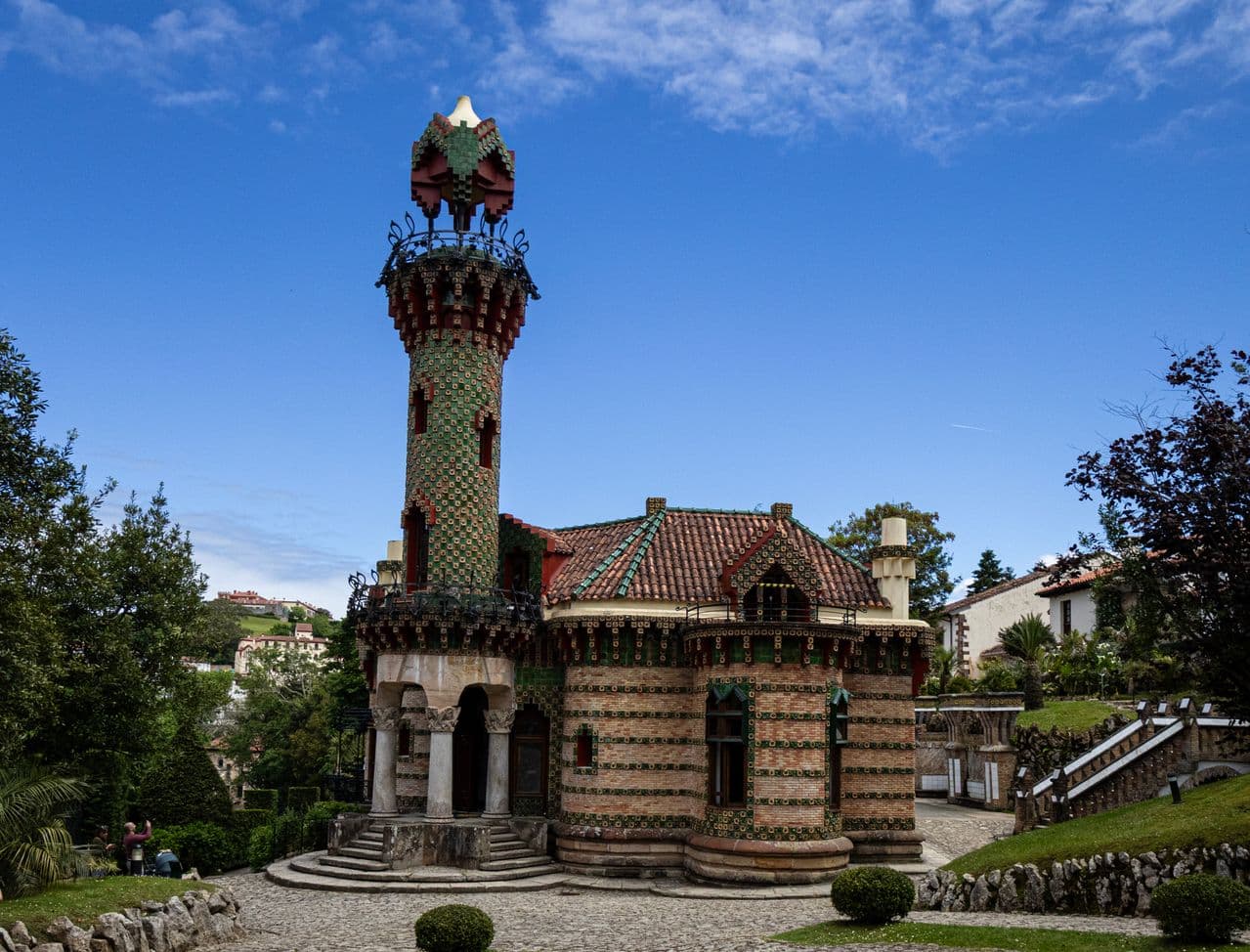
Money from the Americas
Open any place below for the fuller background behind the route.
Fixed points
- 12:30 guided tour - Booked; about an hour.
Early
- old town before the day-trippers, with coffee somewhere in it.
The anchor
- 12:30, guided.(About an hour)Fixed
After
- West to and a late harbour lunch.
- The castle, the estuary, and no fixed time to leave.
Practical tips
- Park at the municipal polideportivo in — free, rarely full, and ten minutes on foot from .
- The bakeries in sell corbatas, a twisted puff pastry worth carrying home in a paper bag.
Optional ideas
- Oyambre beach on the drive back, if the afternoon is holding.
- The rest of — the Sobrellano palace and the old pontifical university are visible from most of the town and free to walk around.
Day 4MondayEl Soplao and the road into the hills
An hour underground in one of the odder caves in Europe, then a mountain village and whatever the afternoon wants.
cavemountainsinlandOpen day3 blocks+
El Soplao and the road into the hills
An hour underground in one of the odder caves in Europe, then a mountain village and whatever the afternoon wants.
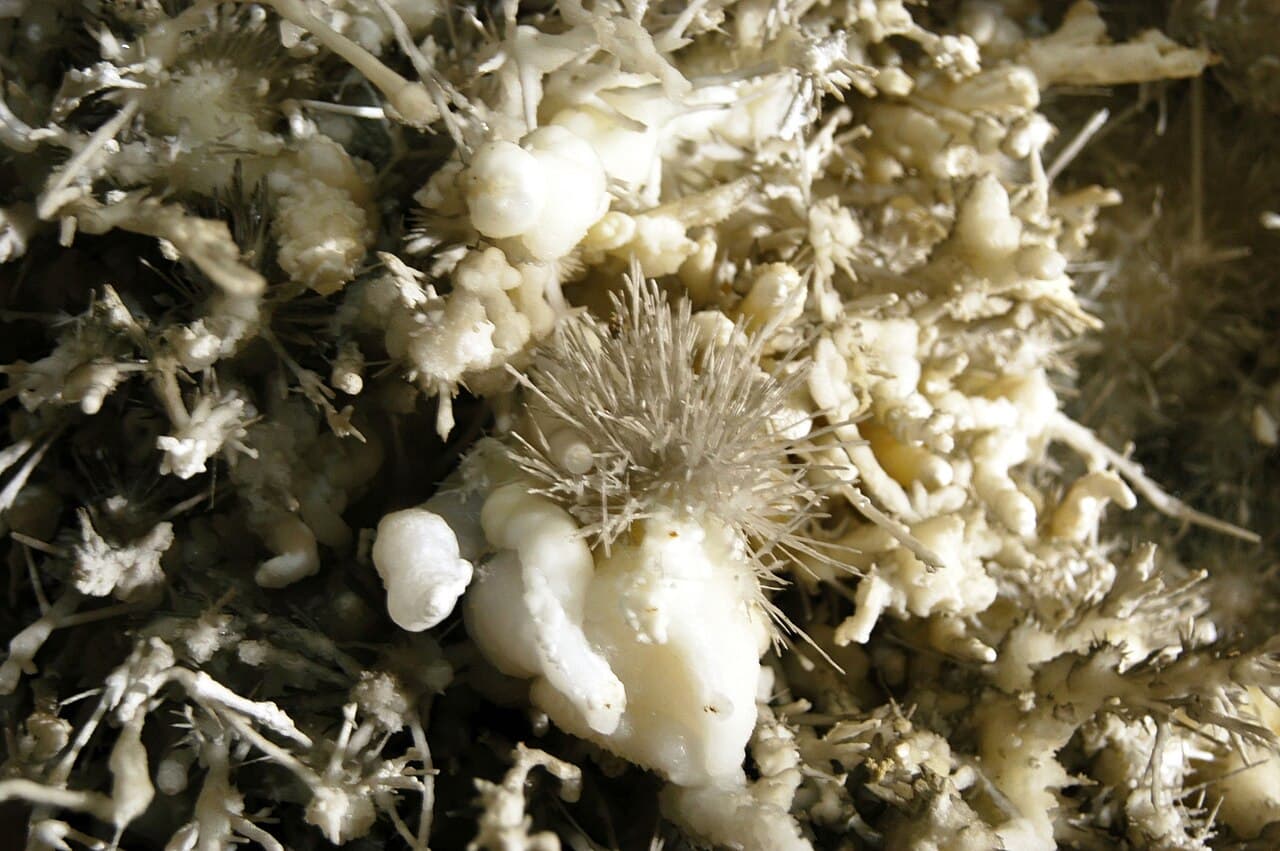
Underground and inland
Open any place below for the fuller background behind the route.
Fixed points
- 10:00 , Visita Turística - Booked; about 55 minutes, Spanish only.
The anchor
- 10:00, underground.(About 55 minutes)Fixed
Midday
- Up to — a short walk around it is the whole village.
- Lunch there if the kitchen is open.
Whichever way the afternoon goes
- The Nansa valley on foot, or the same valley through a windscreen.
Planning notes
- Rural kitchens inland keep their own hours and can be shut on a weekday, so lunch in is worth confirming before driving up.
Optional ideas
- The Valle del Nansa river path, roughly six kilometres out and back through chestnut woods.
- The valley road back to the coast at half speed, with a coffee stop and an early afternoon at the house.
Day 5TuesdaySantander, slowly
A headland walk, the local lunch hour around the Mercado del Este, and no fixed time to come home.
citypintxosno agendaOpen day3 blocks+
Santander, slowly
A headland walk, the local lunch hour around the Mercado del Este, and no fixed time to come home.
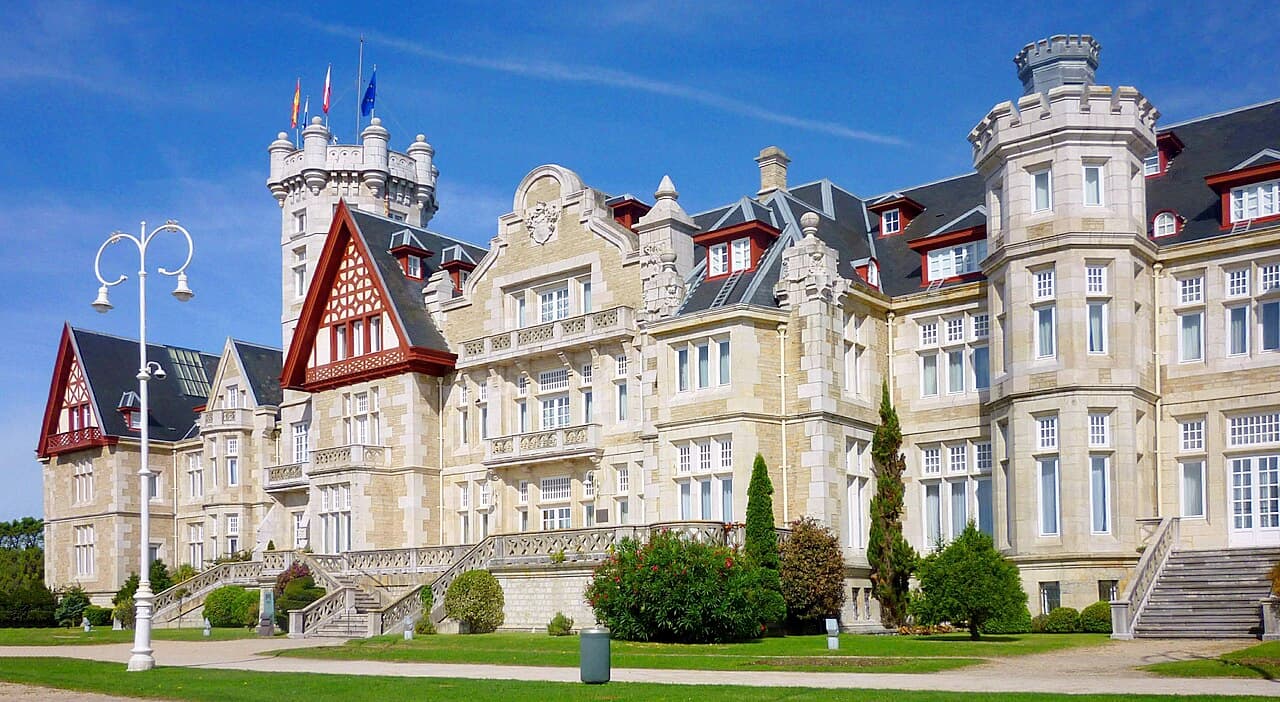
The city and its lunch hour
Open any place below for the fuller background behind the route.
Early
- Drive in and walk the before the day warms up.
Around one
- Drift towards the Mercado del Este as the bars open.
- Eat standing, a couple of things at a time, and keep moving.
Open end
- Stay as long as it stays interesting.
- Drive back whenever.
Practical tips
- The bars near the Mercado del Este do not get going until close to lunchtime, so arriving early just means an empty street.
Optional ideas
- MUPAC, the prehistory museum under the Mercado del Este, which follows on well from Altamira.
- The market itself, for cheese and a browse rather than a meal.
- A second neighbourhood, if the city is holding your attention.
Day 6WednesdaySantoña and the anchovies
A free factory tour, a working fishing port with no tourists in it, and the coast road home.
fishing portanchoviesno crowdsOpen day3 blocks+
Santoña and the anchovies
A free factory tour, a working fishing port with no tourists in it, and the coast road home.

The anchovy coast
Open any place below for the fuller background behind the route.
Getting there
- East along the coast, past the .
The anchor
- The tour — film, factory floor, and a tasting at the end.
- Try the as well as the salt-cured fillets.
The rest
- Harbour walk, the fort, and lunch on the water.
- Home slowly, with or without a beach on the way.
Practical tips
- The tour runs hourly through the late morning and takes no reservation, so going on the first one means a smaller group.
Optional ideas
- Noja or Trengandín on the coast road back, if a beach stop appeals.
- The fort above the harbour, for the view rather than the history.
Day 7ThursdayA day with nothing in it
No anchor, no drive, no obligation — and the one day the coast gets to explain itself.
free daybeachrestOpen day2 blocks+
A day with nothing in it
No anchor, no drive, no obligation — and the one day the coast gets to explain itself.
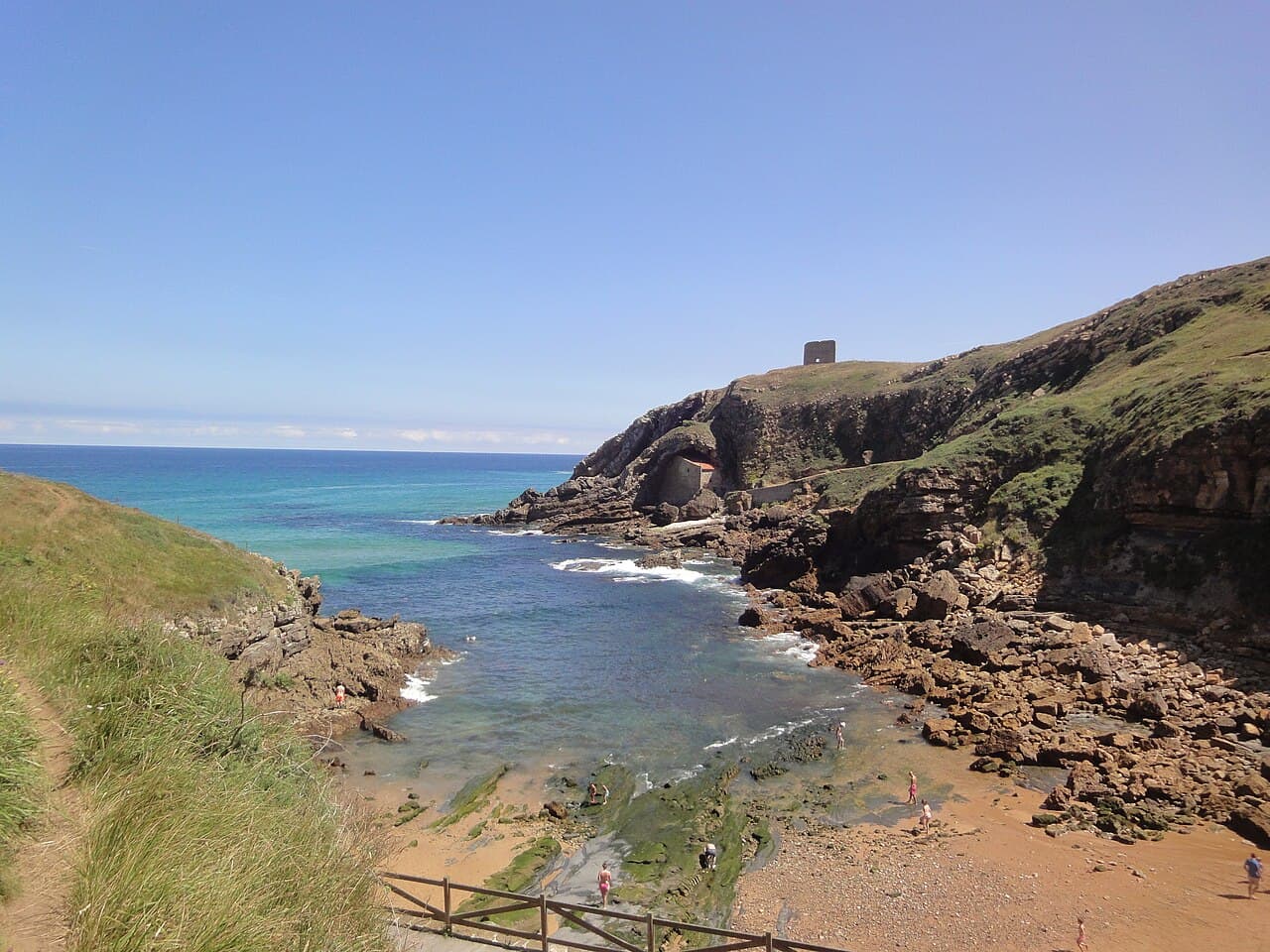
The coast itself
Open any place below for the fuller background behind the route.
If the weather holds
- , ten minutes away — a small cove with a rock arch and usually nobody in it.
- Or , twenty-five minutes east, where the limestone breaks up into towers and pools.
If it does not
- The garden, the jacuzzi, and no apology for either.
- Or drive somewhere on impulse, on the grounds that nothing is booked.
Practical tips
- Tonight is the last proper dinner of the trip, so it is the one worth booking a day ahead.
Optional ideas
- Llanes, an hour west into Asturias — a walled old town, a working harbour, and the painted concrete blocks on the breakwater, which are better than they sound.
- Castro Urdiales, an hour and a half east, for a Gothic church on a sea cliff and a quieter coastline.
Day 8FridayDeparture
Last coffee in the old town, the coast road back east, and a car to hand over at Bilbao.
departuredriveairportOpen day2 blocks+
Departure
Last coffee in the old town, the coast road back east, and a car to hand over at Bilbao.
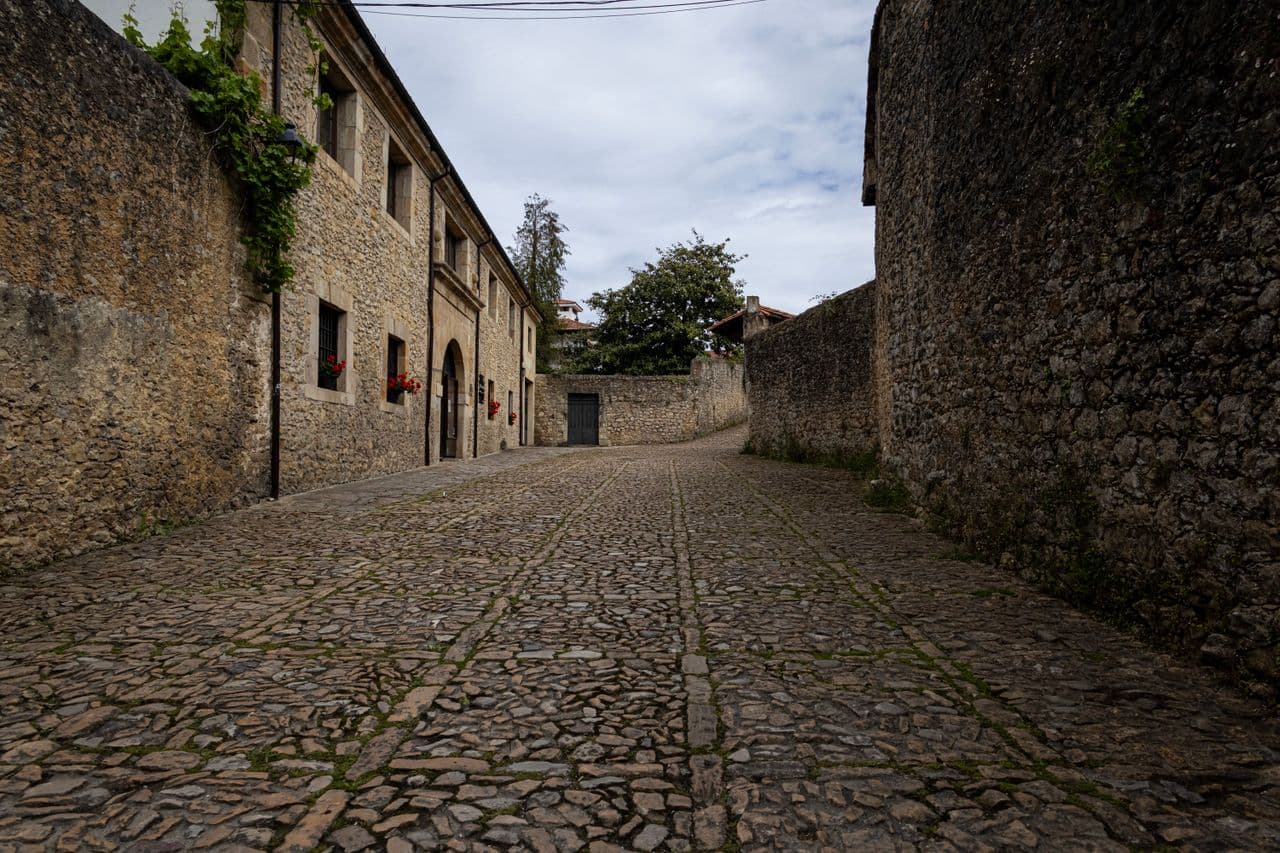
Last morning
- Breakfast, packing, and a final walk through Santillana.
East along the coast
- The A-8 back to Bilbao.
- Return the car with time in hand, then fly.
Planning notes
- Car returns at Bilbao airport back up badly at peak times, so the schedule wants twenty or thirty minutes of slack in it.
Image credits
- Hotelpalacion · Wikimedia Commons · CC BY-SA 4.0
- Daniel Pacheco Amor · Pexels
- Anne and Saturnino Miranda · Pixabay
- Santiago Peña Bossano · Pexels
- HENCHE · Wikimedia Commons · CC BY-SA 4.0
- Noreenlam · Wikimedia Commons · CC BY-SA 3.0
- Leeloo The First · Pexels
- JnCrlsMG · Wikimedia Commons · CC BY-SA 4.0